
Medical Marijuana for Fibromyalgia: Potential Benefits, Risks and Eligibility


Fibromyalgia is a chronic condition that can cause widespread pain, fatigue, sleep problems, cognitive difficulties and increased sensitivity throughout the body. Because these symptoms can be persistent and difficult to manage, many patients explore medical marijuana when conventional treatments do not provide sufficient relief or produce unwanted side effects.
Medical cannabis may offer meaningful support for fibromyalgia-related pain, sleep disruption, muscle discomfort and difficulty relaxing. By interacting with the body’s endocannabinoid system, cannabinoids such as THC and CBD may influence pain perception, sleep and other functions commonly affected by fibromyalgia.
Here is what patients should know about the potential benefits, responsible use and eligibility requirements for medical marijuana and fibromyalgia.
What Is Fibromyalgia?
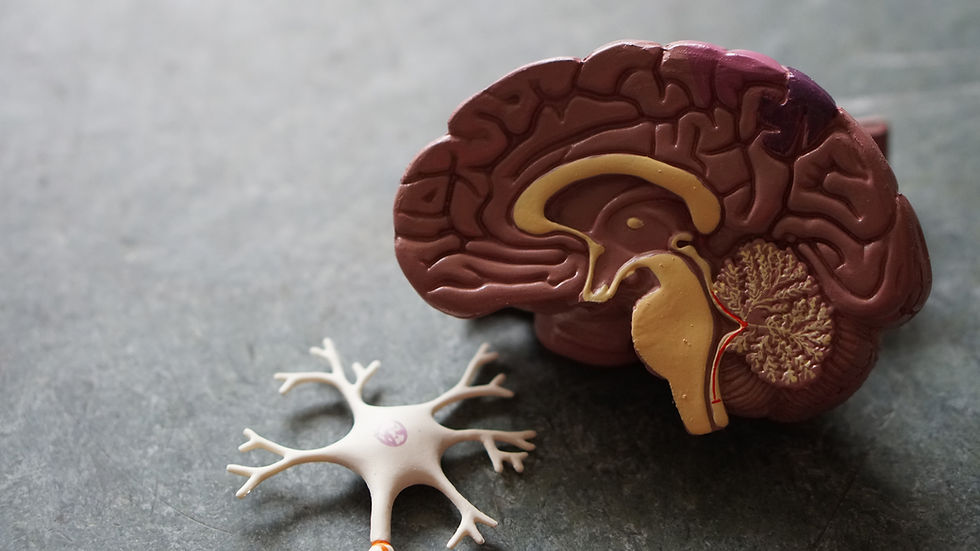
Fibromyalgia is a chronic disorder involving changes in how the brain and nervous system process pain signals. It can cause pain and tenderness throughout the body even when there is no visible injury or inflammation in the affected areas.
Common fibromyalgia symptoms include:
Widespread muscle and joint pain
Tenderness or increased pain sensitivity
Persistent fatigue
Difficulty falling or staying asleep
Waking without feeling rested
Problems with memory or concentration
Headaches or migraines
Numbness or tingling
Anxiety or depression
Digestive problems
Symptoms that worsen after stress or physical activity
The combination of pain, poor sleep and fatigue can significantly affect a person’s ability to work, exercise and complete everyday activities.
Can Medical Marijuana Help With Fibromyalgia?
Medical marijuana may offer meaningful symptom relief for patients living with fibromyalgia, particularly those struggling with chronic pain, poor sleep and difficulty relaxing. Many patients use cannabis as part of their broader symptom-management plan to feel more comfortable and improve their ability to complete everyday activities.
Medical marijuana may help with fibromyalgia-related:
Widespread pain
Muscle discomfort and tenderness
Sleep disruption
Nausea
Stress and anxiety associated with chronic symptoms
Difficulty relaxing
Fatigue related to poor sleep
Reduced quality of life caused by persistent pain
Because fibromyalgia affects each patient differently, the results and most helpful cannabis products can vary. A medical marijuana evaluation gives patients an opportunity to discuss their symptoms, previous treatments and health history with a licensed physician.
Although cannabis does not cure fibromyalgia, it may provide another valuable option for managing its most disruptive symptoms—especially when conventional treatments have not provided sufficient relief or have produced unwanted side effects.
How Could Cannabis Affect Fibromyalgia Symptoms?
Cannabis contains naturally occurring compounds called cannabinoids. The two best known are tetrahydrocannabinol, or THC, and cannabidiol, or CBD.
These cannabinoids interact with the body’s endocannabinoid system, which helps regulate important functions including:
Pain signaling
Sleep
Mood
Stress response
Appetite
Nausea
Immune activity
Fibromyalgia is associated with changes in how the brain and nervous system process pain. By interacting with cannabinoid receptors throughout the nervous system, medical cannabis may influence pain perception and help make widespread discomfort feel less intense or disruptive.
THC may help alter pain perception, promote relaxation and support sleep, while CBD is often explored for discomfort and its non-intoxicating properties. Some patients find that products containing both cannabinoids provide a helpful balance.
This connection between cannabinoids, pain signaling and sleep helps explain why medical marijuana has become an increasingly popular option among patients seeking additional relief from fibromyalgia symptoms.
What Does the Research Say?
Research into medical cannabis for fibromyalgia has produced encouraging findings. Studies and patient surveys have reported potential improvements in:
Pain severity
Sleep quality
Fatigue
Mood
Daily functioning
Overall quality of life
These findings align with what many fibromyalgia patients report: medical cannabis may help make chronic symptoms more manageable and improve day-to-day comfort.
Research is still developing, and patients may respond differently depending on the cannabis product, cannabinoid ratio, delivery method and individual health history. Continued clinical research will help physicians better understand which approaches provide the greatest benefit.
For now, medical marijuana represents a promising symptom-management option for qualifying fibromyalgia patients, particularly those who have not received sufficient relief from conventional treatments.
THC vs. CBD for Fibromyalgia
THC and CBD affect the body differently, and some patients find that one cannabinoid—or a combination of both—better supports their symptoms.
THC
THC may help alter pain perception, promote relaxation and make it easier to sleep despite widespread discomfort. This can be particularly valuable for patients whose pain becomes more disruptive in the evening.
Because THC produces intoxicating effects, patients should use it responsibly and avoid driving or performing safety-sensitive activities while impaired.
CBD
CBD does not produce the same intoxicating effect as THC. Some fibromyalgia patients explore CBD for daytime discomfort, tension or stress when they want to remain clear-headed.
CBD may also be included alongside THC to create a more balanced experience.
THC and CBD Together
Products containing both THC and CBD may help patients address multiple symptoms, including pain, poor sleep and difficulty relaxing.
There is no single cannabinoid ratio that works best for everyone. A patient’s response can depend on their symptoms, previous cannabis experience, product type and treatment goals.
Could Medical Marijuana Improve Sleep?
Poor sleep is one of the most disruptive aspects of fibromyalgia. Pain can make it difficult to fall asleep, while inadequate rest may increase fatigue and pain sensitivity the following day.
Medical marijuana may help some patients:
Fall asleep more easily
Wake less frequently because of discomfort
Relax at bedtime
Feel less focused on pain
Establish a more comfortable nighttime routine
Feel better prepared for the following day
Improving sleep can have benefits beyond nighttime comfort. Better rest may help patients feel more capable of managing daily activities, movement and other fibromyalgia symptoms.
The most helpful product and timing can vary, making a physician-guided evaluation valuable.
Can Medical Marijuana Reduce Fibromyalgia Pain?
Cannabis may reduce the intensity of pain for some patients by altering pain perception rather than eliminating the underlying condition.
Potential improvement might include:
Less severe widespread pain
Fewer pain-related sleep disruptions
Improved ability to complete daily activities
Reduced distress associated with chronic discomfort
The goal of treatment is not always to eliminate every symptom. For many people with fibromyalgia, meaningful improvement may involve better sleep, greater mobility or the ability to participate more fully in daily life.
Patients should establish realistic goals and track whether cannabis is producing measurable improvement.
What Should Patients Consider Before Using Medical Marijuana?
Medical cannabis affects each patient differently. The experience may depend on the product, THC concentration, amount used, delivery method and the patient’s previous experience.
Possible side effects can include:
Drowsiness
Dizziness
Dry mouth
Temporary difficulty concentrating
Increased appetite
Anxiety when too much THC is used
Patients who are new to cannabis may be more sensitive to THC. Choosing regulated products and taking a gradual, measured approach can help patients determine what best supports their symptoms.
Patients should avoid driving or performing safety-sensitive activities while impaired and should discuss medications or important health concerns during their evaluation.
That is enough. The existing long list involving dependence, withdrawal, paranoia and low blood pressure makes the treatment sound unusually dangerous.
Can Cannabis Interact With Fibromyalgia Medications?
Yes. Cannabis may interact with prescription medications, over-the-counter products and supplements.
Fibromyalgia treatment may involve medications such as:
Duloxetine
Milnacipran
Pregabalin
Gabapentin
Certain antidepressants
Muscle relaxers
Sleep medications
Anti-anxiety medications
Pain relievers
Combining cannabis with medications that cause sedation may increase:
Drowsiness
Dizziness
Confusion
Poor coordination
Risk of falls
Difficulty concentrating
Patients should give their evaluating physician a complete list of medications and supplements. Do not stop or alter a prescribed medication without speaking with the healthcare professional who prescribed it.
How Should Patients Track Their Results?
A symptom diary can help determine whether medical cannabis is actually improving fibromyalgia symptoms.
Patients may want to record:
Daily pain severity
Hours and quality of sleep
Energy level
Ability to complete normal activities
Product and cannabinoid ratio
Amount used
Time of use
How long effects lasted
Side effects
Other medications taken that day
Tracking specific outcomes can make it easier to recognize meaningful improvement, unwanted effects or increasing tolerance.
Does Fibromyalgia Qualify for Medical Marijuana?
Eligibility depends on the state and the physician’s evaluation.
Michigan
Michigan recognizes chronic pain and severe and chronic pain among its qualifying medical conditions and symptoms. Although fibromyalgia is not necessarily listed by name, its associated chronic pain may satisfy the state’s requirements when properly evaluated and certified by a physician.
Learn more about obtaining a Michigan medical marijuana card.
Ohio
Fibromyalgia is included among Ohio’s covered conditions for medical marijuana. A patient must still be evaluated by a physician authorized to recommend medical cannabis and complete the state registration process.
Having a fibromyalgia diagnosis does not make certification automatic. The physician must review the patient’s history and determine whether medical marijuana may be appropriate.
Learn more about obtaining an Ohio medical marijuana card.
Oklahoma
Oklahoma does not use a fixed list of qualifying medical conditions. A licensed physician may recommend medical marijuana when they determine it may be appropriate for the patient.
Fibromyalgia patients may therefore qualify based on their diagnosis, symptoms, medical history and the physician’s professional judgment.
Learn more about obtaining an Oklahoma medical marijuana card.
What Documentation Might You Need?
During a medical marijuana evaluation, the physician may ask for information such as:
A fibromyalgia diagnosis
Medical records or visit summaries
A current medication list
Previous treatment history
Documentation from a primary care physician or rheumatologist
Information about pain duration and severity
How symptoms affect sleep, work and daily activities
Not having every record immediately available may not automatically disqualify you, but the physician must have enough information to conduct a responsible evaluation.
Read more about whether you can get a medical marijuana card without medical records.
How Medical Cannabis Can Fit Into a Fibromyalgia Treatment Plan
Fibromyalgia often responds best to a personalized combination of symptom-management strategies. Medical cannabis may be used alongside approaches such as:
Appropriate exercise or gradual physical activity
Healthy sleep habits
Stress-management techniques
Physical therapy
Cognitive behavioral therapy
Prescription medication
Treatment for anxiety or depression
Nutrition and lifestyle changes
For some patients, medical marijuana helps make pain, poor sleep and muscle discomfort more manageable, allowing them to participate more comfortably in other parts of their treatment plan.
Patients should keep their healthcare providers informed and avoid changing prescribed medications without medical guidance.
Frequently Asked Questions
Can medical marijuana help fibromyalgia?
Medical marijuana may help qualifying fibromyalgia patients manage symptoms such as widespread pain, poor sleep, muscle discomfort and difficulty relaxing. Studies and patient experiences have produced encouraging findings, although individual responses vary.
Is THC or CBD better for fibromyalgia?
Researchers have not established an ideal cannabinoid or ratio. THC may affect pain and sleep but causes intoxication and other side effects. Evidence for CBD alone remains limited.
What form of medical marijuana may be helpful for fibromyalgia?
The most appropriate option depends on the patient’s primary symptoms and how quickly or how long they need relief. Inhaled products generally act more quickly, while tinctures, capsules and edibles may provide longer-lasting effects. THC-to-CBD ratios can also influence the experience.
Can I use medical marijuana with pregabalin or gabapentin?
Combining cannabis with medications that cause sedation may increase dizziness, drowsiness or impaired coordination. Consult a qualified healthcare provider before combining them.
Can I get a medical marijuana card for fibromyalgia?
Possibly. Fibromyalgia is a covered condition in Ohio, may qualify through chronic or severe pain in Michigan and may be recommended at a physician’s discretion in Oklahoma. Approval depends on an individual medical evaluation.
The Bottom Line
Medical marijuana may provide meaningful support for qualifying patients living with fibromyalgia. By influencing pain perception, relaxation and sleep, cannabis may help make widespread discomfort less disruptive and improve day-to-day quality of life.
THC, CBD and combined products may offer different benefits depending on the patient’s symptoms, previous cannabis experience and treatment goals. An individual medical evaluation can help patients better understand their options and determine whether they qualify.
drkennabis provides convenient online medical marijuana evaluations for qualifying patients in Michigan, Ohio and Oklahoma. If fibromyalgia is affecting your comfort, sleep or ability to complete normal activities, schedule a telemedicine appointment to discuss your symptoms and eligibility.
This article is for general educational purposes and does not provide medical advice, diagnosis or treatment. Medical marijuana does not cure fibromyalgia, and individual results vary. Always consult a qualified healthcare provider before using cannabis or changing an existing treatment plan.


Comments