
How Medical Marijuana Affects the Nervous System

Updated: Apr 30
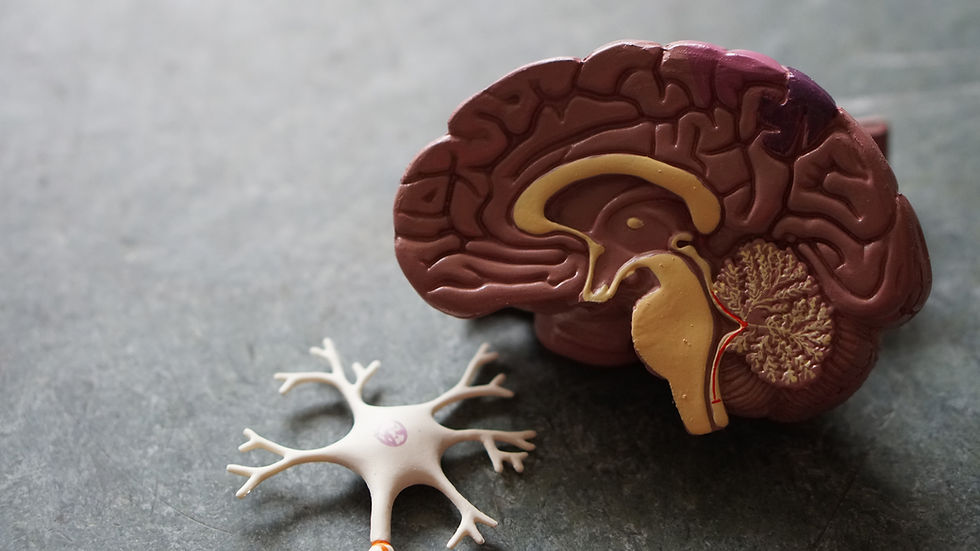
How Does Medical Marijuana Affect the Nervous System?
Medical marijuana affects the nervous system by interacting with the body’s endocannabinoid system, a biological network that helps regulate pain signals, stress responses, mood, sleep, and nerve communication. Because cannabinoid receptors are located throughout the brain and nervous system, cannabis compounds such as THC and CBD may influence how the body processes neurological signals.
For patients living with conditions involving nerve pain, anxiety, muscle spasms, or neurological disorders, medical marijuana may provide symptom relief when used under medical supervision.
While research is ongoing, many patients report improvements in pain, stress levels, and overall comfort after incorporating medical cannabis into their treatment plans.
Understanding the Nervous System
The nervous system controls communication between the brain and the rest of the body. It allows the body to respond to sensations, regulate internal processes, and coordinate movement.
The nervous system has two primary components:
Central Nervous System
The central nervous system includes:
The brain
The spinal cord
This system processes information and sends signals that control movement, emotions, memory, and bodily functions.
Peripheral Nervous System
The peripheral nervous system includes the network of nerves that connect the brain and spinal cord to the rest of the body. These nerves transmit signals that allow us to feel sensations, move muscles, and respond to environmental changes.
When these systems are disrupted due to injury, illness, or chronic stress, patients may experience symptoms such as:
Nerve pain
Tingling or numbness
Muscle spasms
Anxiety or stress
Sleep disturbances
Managing these symptoms often requires a comprehensive treatment approach that may include medications, lifestyle changes, and sometimes medical cannabis.
The Role of the Endocannabinoid System
Medical marijuana works through the endocannabinoid system, which plays an important role in maintaining balance within the body.
This system contains cannabinoid receptors located throughout the brain, nervous system, immune system, and other organs. These receptors help regulate several functions related to the nervous system, including:
Pain perception
Mood regulation
Stress response
Sleep cycles
Memory and learning
Cannabinoids found in cannabis, such as THC and CBD, interact with these receptors and may influence how the body processes neurological signals.
By affecting the endocannabinoid system, medical marijuana may help regulate some of the processes that contribute to pain, stress, and neurological discomfort.
Medical Marijuana and Nerve Pain
Neuropathy is a condition that occurs when nerves become damaged or irritated. It can result from injuries, diabetes, autoimmune conditions, or other health issues.
Patients with neuropathy often experience symptoms such as:
Burning sensations
Tingling or numbness
Sharp or shooting pain
Increased sensitivity to touch
Traditional medications may not always provide sufficient relief for nerve pain. Some research suggests cannabinoids may influence how pain signals travel through the nervous system, which may help reduce discomfort in some patients.
Because nerve pain can significantly impact daily life, many individuals explore medical marijuana as an alternative or complementary treatment option.
Cannabis and Anxiety
The nervous system plays a major role in regulating the body’s response to stress and anxiety. When the brain detects a threat or stressful situation, it activates signals that increase alertness and trigger physical responses.
For some individuals, this response can become overactive, leading to chronic anxiety or stress.
Cannabinoids may affect neurotransmitters and receptors that influence mood and stress responses. Many patients report that medical marijuana helps them feel calmer and more relaxed.
CBD and Anxiety
CBD is often associated with calming effects and may help reduce feelings of stress or nervousness without causing intoxication.
THC and Anxiety
THC may help some patients relax and reduce stress when used in appropriate doses. However, higher doses may cause unwanted side effects for some individuals, which is why medical guidance is important.
A medical marijuana physician can help patients determine the appropriate cannabinoid balance based on their symptoms.
Neurological Conditions That May Benefit From Medical Marijuana
Patients seeking medical marijuana evaluations often experience neurological symptoms related to various health conditions.
Some conditions that involve the nervous system include:
Neuropathy
PTSD
Multiple sclerosis
Chronic pain
Muscle spasms
Parkinson’s disease
Anxiety disorders
In many medical marijuana programs, conditions such as chronic pain, PTSD, or neurological disorders may qualify patients for medical cannabis treatment depending on state guidelines.
Because each patient’s symptoms and medical history are different, it is important to consult with a qualified physician before beginning treatment.
THC vs CBD for Neurological Symptoms
Both THC and CBD interact with the nervous system in different ways.
CBD
CBD does not produce intoxicating effects and is often used by patients seeking relief from anxiety, inflammation, or nerve discomfort without feeling impaired.
THC
THC produces the psychoactive effects commonly associated with cannabis but may also provide stronger pain relief and muscle relaxation.
Many patients use products containing both cannabinoids to achieve balanced symptom relief.
Working with a medical marijuana doctor can help patients determine the most appropriate cannabinoid ratios and product types.
Talking With a Medical Marijuana Physician
Every patient’s nervous system and medical history are unique. A licensed medical marijuana physician can help determine whether cannabis may be an appropriate option based on individual symptoms and treatment goals.
Patients in Michigan, Ohio, and Oklahoma can schedule a virtual consultation with drkennabis to discuss their symptoms and determine whether they qualify for a medical marijuana card.
Telemedicine appointments allow patients to speak with a certified physician from home and receive guidance on potential treatment options.
👉 Book your appointment today and get clear guidance on your next steps.
FAQ
Q: Does cannabis affect the brain?
A: Yes. Cannabinoids interact with receptors in the brain that help regulate mood, pain perception, memory, and stress responses.
Q: Can medical marijuana help nerve pain?
A: Some patients with neuropathy report symptom improvement when using cannabis products under medical supervision.
Q: Does cannabis help with anxiety?
A: Some individuals report that cannabinoids such as CBD help reduce anxiety and promote relaxation. However, responses vary and treatment should be guided by a healthcare professional.
Q: Can neurological conditions qualify for medical marijuana?
A: Depending on state regulations, conditions such as chronic pain, PTSD, multiple sclerosis, and neuropathy may qualify patients for medical cannabis programs.
Related Articles
If you are researching how medical marijuana affects different areas of the body, you may also find these articles helpful:


Comments