
How Medical Marijuana Affects Brain Function and Cognitive Health


What Does Medical Marijuana Do to the Brain?
Medical marijuana affects the brain by interacting with the body’s endocannabinoid system and the nervous system, which helps regulate mood, memory, stress response, and cognitive function. Research suggests cannabis can affect memory, attention, and decision-making, particularly depending on dosage and frequency of use.
For some patients, these interactions may help reduce anxiety, improve mood, and manage symptoms related to neurological conditions. However, effects can vary depending on the individual, dosage, and type of cannabis used.
Understanding the Brain and the Endocannabinoid System
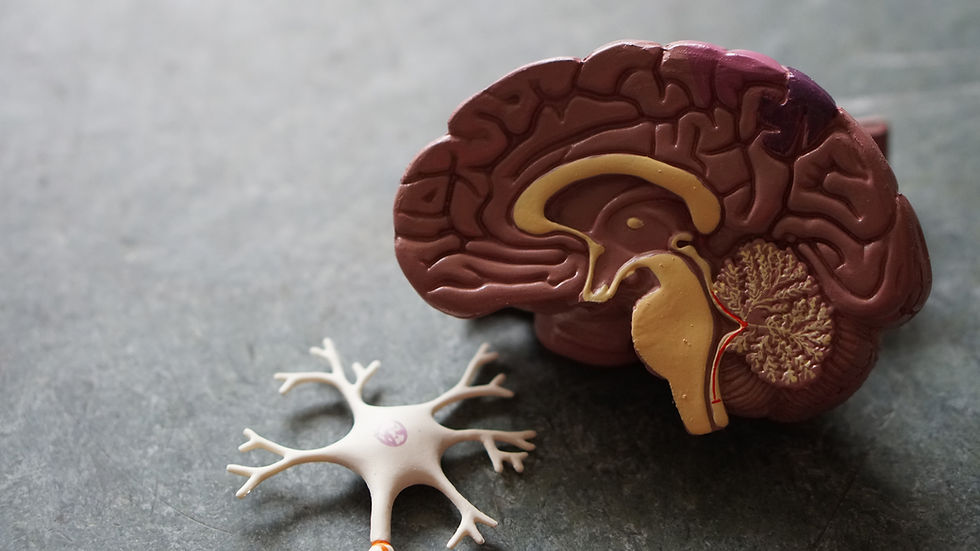
The brain is responsible for processing information, controlling behavior, regulating emotions, and managing memory. The endocannabinoid system (ECS) plays a key role in maintaining balance within these processes.
The ECS includes:
CB1 receptors, primarily found in the brain and central nervous system
CB2 receptors, more commonly found in the immune system
When cannabinoids such as THC and CBD interact with these receptors, they may influence:
Memory formation
Emotional regulation
Stress response
Focus and attention
Pain perception
Because the ECS is directly involved in brain function, cannabis can have noticeable effects on how patients think, feel, and respond to their environment.
How THC Affects Brain Function
THC (tetrahydrocannabinol) is the primary psychoactive compound in cannabis. It binds strongly to CB1 receptors in the brain, which can alter normal signaling between neurons.
Some effects of THC on the brain may include:
Changes in mood and perception
Altered short-term memory
Increased relaxation
Reduced stress or anxiety (in some patients)
Temporary impairment in coordination or focus
In medical settings, THC may be helpful for patients dealing with pain, PTSD, or severe anxiety when used in appropriate doses.
However, higher doses of THC may cause unwanted effects such as confusion, anxiety, or impaired concentration in some individuals.
How CBD Affects Brain Function
CBD (cannabidiol) is a non-intoxicating cannabinoid that interacts with the brain differently than THC. It does not bind strongly to CB1 receptors and is often associated with more subtle effects.
CBD may influence brain function by:
Supporting calmness and relaxation
Reducing anxiety and stress responses
Modulating neurotransmitter activity
Supporting overall neurological balance
Because it does not produce a “high,” many patients prefer CBD when they want symptom relief without cognitive impairment.
Can Medical Marijuana Affect Memory?
Cannabis may affect memory, particularly short-term memory, depending on the type and amount used. Cannabis directly affects areas of the brain responsible for memory, learning, and attention, which is why effects can vary depending on dosage and frequency.
Short-Term Effects
THC may temporarily impact the brain’s ability to form new memories while it is active in the system. This is why some users experience difficulty remembering recent events shortly after use.
Long-Term Considerations
The long-term effects of cannabis on memory may vary depending on frequency of use, dosage, and individual health factors. Medical use under physician guidance is typically more controlled than recreational use.
Patients using medical marijuana as part of a treatment plan often work with a physician to find a dosage that minimizes unwanted cognitive effects while still providing symptom relief.
Can Cannabis Help With Cognitive Function?
In some cases, medical marijuana may indirectly support cognitive function by reducing symptoms that interfere with mental clarity.
For example, patients experiencing:
may find that symptom relief allows for improved focus, better mood, and clearer thinking.
Rather than directly enhancing cognition, cannabis may help remove barriers that negatively impact mental performance.
Medical Marijuana and Mental Health
The brain plays a central role in regulating mental health conditions such as anxiety, depression, and PTSD.
Some patients report that medical marijuana helps:
Reduce stress and anxiety
Improve mood stability
Promote relaxation
Support emotional regulation
CBD is often associated with calming effects, while THC may help some patients manage severe symptoms when used carefully.
Because mental health responses to cannabis can vary, medical supervision is important when using cannabis for these conditions.
Neurological Conditions and Brain Function
Patients seeking medical marijuana evaluations often experience conditions that directly affect brain function.
Some of these include:
PTSD
Anxiety disorders
Chronic pain
Multiple sclerosis
Parkinson’s disease
Neuropathy
Depending on state guidelines, these conditions may qualify patients for medical marijuana treatment.
Cannabis may help regulate some of the neurological processes involved in these conditions, particularly those related to pain, stress, and nerve signaling.
Short-Term vs Long-Term Effects on Brain Function
Cannabis may affect brain function differently depending on how often it is used and in what amounts. Understanding the difference between short-term and long-term effects can help patients make informed decisions about their treatment.
Short-Term Effects
Short-term effects of cannabis may include changes in memory, attention, and reaction time. Some patients may notice temporary difficulty focusing or recalling recent information while cannabis is active in the body.
These effects are typically short-lived and may vary depending on dosage, cannabinoid type (THC vs CBD), and individual tolerance.
Long-Term Effects
Long-term effects of cannabis on brain function are still being studied. Some research suggests that frequent, heavy use of high-THC products may impact cognitive function over time, particularly in areas related to memory and learning.
However, medical marijuana use is often more controlled and guided by a physician, which may help reduce the risk of unwanted cognitive effects.
Patients using medical cannabis as part of a treatment plan should work with a licensed provider to determine appropriate dosing and product selection.
Is Medical Marijuana Safe for Brain Health?
Medical marijuana may be safe for many patients when used responsibly and under the guidance of a licensed physician.
Factors that influence safety include:
Dosage
Frequency of use
Type of cannabinoid (THC vs CBD)
Individual medical history
A medical marijuana evaluation helps ensure that patients use cannabis in a way that aligns with their health needs and minimizes potential risks.
Talking With a Medical Marijuana Doctor
Because cannabis affects brain function and cognitive processes, it is important to speak with a qualified medical provider before starting treatment.
Patients in Michigan, Ohio, and Oklahoma can schedule a same-day online medical marijuana evaluation with drkennabis.
Telemedicine appointments make it easy to get certified from home with no in-person visit required.
FAQ
Does medical marijuana affect the brain?
Yes. Cannabis interacts with receptors in the brain that regulate mood, memory, stress, and cognitive function.
Can cannabis improve brain function?
Cannabis may not directly improve cognition, but it may help reduce symptoms like anxiety or pain that interfere with focus and mental clarity.
Does THC affect memory?
THC may temporarily affect short-term memory, especially at higher doses.
Is CBD better for brain health than THC?
CBD does not cause intoxication and is often preferred by patients seeking calming effects without cognitive impairment.
Related Articles
If you are learning how medical marijuana affects the body, you may also find these articles helpful:


Comments