
Can Medical Marijuana Help With Multiple Sclerosis? Benefits, Symptoms and Eligibility


Multiple sclerosis can cause muscle spasms, nerve pain, stiffness, sleep disruption and other symptoms that interfere with daily life. When conventional treatments do not provide enough relief or cause unwanted side effects, medical marijuana may offer another option for managing these symptoms.
Cannabis is most commonly explored by MS patients for spasticity and chronic pain. Some patients also find that it helps them relax, sleep more comfortably and better manage the everyday effects of the condition.
What Is Multiple Sclerosis?
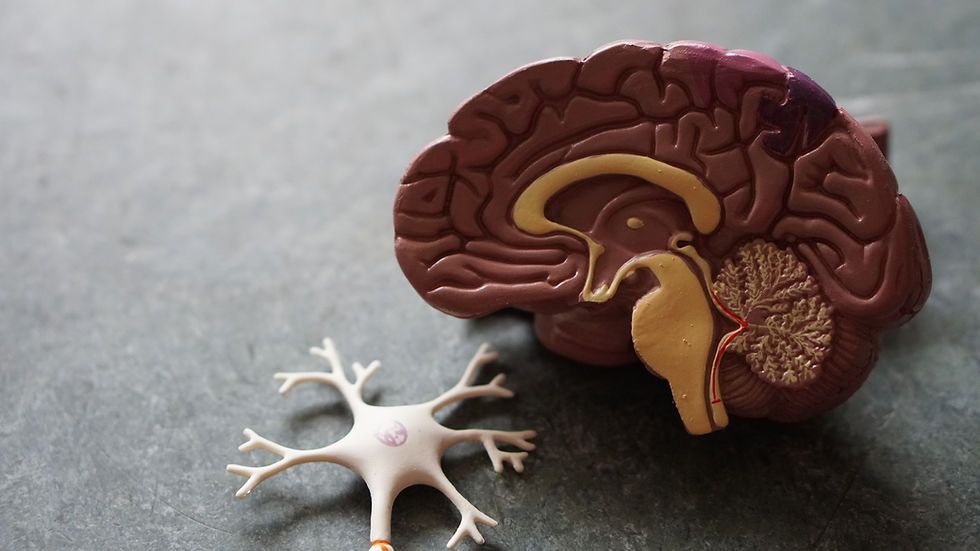
Multiple sclerosis, commonly called MS, is a chronic condition affecting the brain and spinal cord. It develops when the immune system damages myelin, the protective covering surrounding nerve fibers.
This damage can interfere with communication between the brain and the rest of the body. Because MS can affect different parts of the nervous system, symptoms vary from one patient to another.
Common symptoms include:
Muscle spasms and stiffness
Nerve pain
Numbness or tingling
Weakness and fatigue
Difficulty walking
Balance or coordination problems
Sleep disruption
Vision changes
Difficulty concentrating
Medical marijuana does not cure MS or change the progression of the condition. Instead, it may help qualifying patients manage some of its most disruptive symptoms.
How Can Medical Marijuana Help With MS?
Cannabis contains compounds called cannabinoids. The two best known are THC and CBD.
These cannabinoids interact with the body’s endocannabinoid system, which helps regulate pain signaling, muscle activity, sleep, mood and other functions affected by multiple sclerosis.
Medical marijuana may help with MS-related:
Muscle spasms
Spasticity and stiffness
Neuropathic or nerve pain
Pain that interferes with sleep
Difficulty relaxing
Muscle discomfort
Nausea
Stress associated with chronic symptoms
Cannabis may be particularly helpful for patients who continue experiencing pain or muscle tightness despite other treatments.
The most appropriate product can depend on the patient’s primary symptoms, previous cannabis experience and need for daytime or nighttime relief.
Medical Marijuana for MS Spasticity and Muscle Spasms
Spasticity is one of the MS symptoms most commonly associated with medical cannabis. It can cause muscles to become tight, stiff or difficult to control.
MS-related spasticity may result in:
Painful muscle spasms
Tightness in the arms or legs
Difficulty bending or straightening a limb
Discomfort while sitting or lying down
Interrupted sleep
Difficulty walking or changing positions
Cannabinoids may influence the nerve signals involved in muscle contraction and pain. Some patients report that cannabis helps their muscles feel more relaxed and makes spasms less disruptive.
Medical marijuana can be used alongside treatments such as stretching, physical therapy and prescribed spasticity medication. Patients should not change an existing MS treatment plan without speaking with the provider managing their condition.
Can Cannabis Help With MS Nerve Pain?
Multiple sclerosis can cause neuropathic pain when damaged nerves send abnormal or exaggerated signals.
Nerve pain may feel like:
Burning
Tingling
Electric shocks
Pins and needles
Stabbing or shooting pain
Painful sensitivity to touch
THC may influence how pain signals are processed by the brain and nervous system. This can potentially make nerve pain feel less intense or less disruptive.
For some patients, reducing nerve pain can also make it easier to sleep, move comfortably and complete normal activities.
Can Medical Marijuana Improve Sleep With MS?
Pain, stiffness and muscle spasms can make it difficult to fall asleep or remain comfortable throughout the night.
By reducing discomfort and promoting relaxation, medical marijuana may help some MS patients:
Fall asleep more comfortably
Wake less frequently because of pain
Feel less focused on muscle tightness
Return to sleep after a spasm
Establish a more comfortable nighttime routine
Better rest may also help patients feel more prepared to manage movement, fatigue and everyday responsibilities the following day.
What Does the Research Say?
Multiple sclerosis is one of the neurological conditions most frequently studied in connection with cannabinoids.
Research involving cannabis-based products has produced encouraging findings for MS-related spasticity and pain. Some patients participating in studies have reported improvements in muscle tightness, spasms, pain and overall comfort.
Results vary based on the cannabis product, cannabinoid balance, amount used and symptoms being evaluated. However, current research supports medical marijuana as a promising symptom-management option for certain MS patients, particularly those experiencing spasticity or neuropathic pain.
THC vs. CBD for Multiple Sclerosis
THC and CBD affect the body differently. Some patients prefer one cannabinoid, while others find that a combination provides more balanced symptom support.
THC
THC may help alter the perception of nerve pain, reduce discomfort associated with muscle spasms and support relaxation and sleep.
Because THC can produce intoxicating effects, patients should use it responsibly and avoid driving or performing safety-sensitive activities while impaired.
CBD
CBD does not produce the same intoxicating effects as THC. Some MS patients use CBD for daytime discomfort, physical tension or relaxation when they want to remain clear-headed.
CBD may also be combined with THC to create a different overall experience.
THC and CBD Together
Products containing both THC and CBD may provide broader support for pain, muscle spasms and relaxation.
There is no single cannabinoid ratio that works best for every patient. The appropriate balance depends on symptom severity, previous cannabis experience and sensitivity to THC.
Which Cannabis Products May Help With MS Symptoms?
Different cannabis products vary in how quickly they begin working and how long their effects last.
Inhaled cannabis generally acts within minutes and may be helpful for sudden spasms or breakthrough nerve pain.
Tinctures offer a measured option and may begin working sooner than traditional edibles.
Edibles and capsules take longer to work but may provide longer-lasting support for persistent symptoms or overnight discomfort.
Topicals may help with localized muscle or joint discomfort but are less likely to address widespread neurological symptoms.
Patients should choose regulated products and allow enough time to understand the effects before using more.
What Should Patients Consider?
Medical cannabis affects each person differently. Possible temporary effects can include:
Drowsiness
Dizziness
Dry mouth
Increased appetite
Temporary difficulty concentrating
Anxiety when too much THC is used
Balance and coordination problems can already affect people with MS. Patients should use additional care with products that cause dizziness or impairment.
Cannabis can also increase drowsiness when combined with certain muscle relaxants, pain medications or sleep aids. Patients should provide their evaluating physician with an accurate list of medications and supplements.
Does Multiple Sclerosis Qualify for a Medical Marijuana Card?
Eligibility requirements vary by state, but multiple sclerosis and its symptoms may qualify patients for medical marijuana.
Michigan
Michigan recognizes severe and persistent muscle spasms, including those associated with multiple sclerosis, as a qualifying symptom of a chronic or debilitating condition.
MS patients may also qualify through severe and chronic pain or another recognized symptom, depending on their medical history and physician’s evaluation.
Learn more about obtaining a Michigan medical marijuana card.
Ohio
Multiple sclerosis is specifically included on Ohio’s list of qualifying medical conditions. Spasticity and chronic, severe or intractable pain are also recognized conditions.
A properly certified Ohio physician must confirm the condition and determine whether medical marijuana is appropriate.
Learn more about obtaining an Ohio medical marijuana card.
Oklahoma
Oklahoma does not limit medical marijuana recommendations to a fixed list of qualifying conditions. A registered physician may provide a recommendation when they believe medical marijuana is appropriate based on the patient’s symptoms and medical history.
Patients experiencing MS-related spasticity, nerve pain or other significant symptoms may qualify following an evaluation.
Learn more about obtaining an Oklahoma medical marijuana card.
Frequently Asked Questions
Can medical marijuana help with multiple sclerosis?
Medical marijuana may help qualifying patients manage MS symptoms such as muscle spasms, spasticity, nerve pain and sleep disruption. Individual results vary based on the patient and product.
What MS symptoms may respond to cannabis?
Spasticity and neuropathic pain are among the MS symptoms most commonly associated with cannabis. Some patients also use it for relaxation, sleep, appetite or nausea relief.
Is THC or CBD better for MS?
THC may provide more noticeable support for nerve pain, muscle spasms and sleep. CBD offers a non-intoxicating option, while products containing both cannabinoids may provide more balanced effects.
Can medical marijuana replace MS medication?
Medical cannabis does not replace disease-modifying MS treatment. It may complement an existing care plan by helping manage pain, spasticity and related symptoms.
Can you get a medical marijuana card for multiple sclerosis?
Yes. Ohio specifically recognizes multiple sclerosis as a qualifying condition. Michigan recognizes severe and persistent muscle spasms associated with MS, while Oklahoma allows physicians to make individualized recommendations.
The Bottom Line
Medical marijuana may provide meaningful support for qualifying patients living with multiple sclerosis. By influencing pain perception, muscle relaxation and sleep, cannabis may make spasticity, nerve pain and other disruptive symptoms easier to manage.
THC, CBD and combined products offer different potential benefits. An individual evaluation can help patients discuss their symptoms, medical history and treatment goals with a licensed physician.
drkennabis provides convenient online medical marijuana evaluations for qualifying patients in Michigan, Ohio and Oklahoma. If MS is affecting your comfort, sleep, mobility or daily life, schedule a telemedicine appointment to discuss your symptoms and eligibility.
This article is for general educational purposes and does not provide medical advice, diagnosis or treatment. Medical marijuana does not cure multiple sclerosis, and individual results vary. Consult a qualified healthcare provider before using cannabis or changing an existing treatment plan.


Comments