
Can Medical Marijuana Help With Migraines? What Patients Should Know


Migraine is more than an ordinary headache. It is a neurological condition that can cause intense or throbbing head pain, nausea, vomiting, visual disturbances and extreme sensitivity to light, sound or movement.
When conventional treatments do not provide sufficient relief or produce unwanted side effects, medical marijuana may offer qualifying patients another option for managing migraine symptoms. Cannabis may help reduce pain and nausea, promote relaxation and make it easier to rest during an attack.
Here is what patients should know about the potential benefits of medical marijuana for migraines, responsible use and eligibility requirements.
Can Medical Marijuana Help With Migraine Symptoms?
Medical marijuana may provide meaningful relief from several symptoms associated with migraine, including:
Head pain
Nausea and vomiting
Sensitivity to light or sound
Muscle tension
Neck discomfort
Difficulty sleeping
Anxiety associated with an impending attack
Some patients use cannabis after an attack begins, while others incorporate it into a broader symptom-management plan. By making pain and nausea feel less disruptive, medical marijuana may help patients rest more comfortably until the migraine passes.
Individual responses vary, so finding an appropriate product, cannabinoid balance and amount may require a personalized approach.
How Could Cannabis Affect Migraines?
Cannabis contains compounds called cannabinoids. The two best known are tetrahydrocannabinol, or THC, and cannabidiol, or CBD.
These compounds interact with the body’s endocannabinoid system, a network involved in functions such as:
Pain signaling
Inflammation
Nausea and appetite
Stress response
Sleep
Mood
Neurological activity
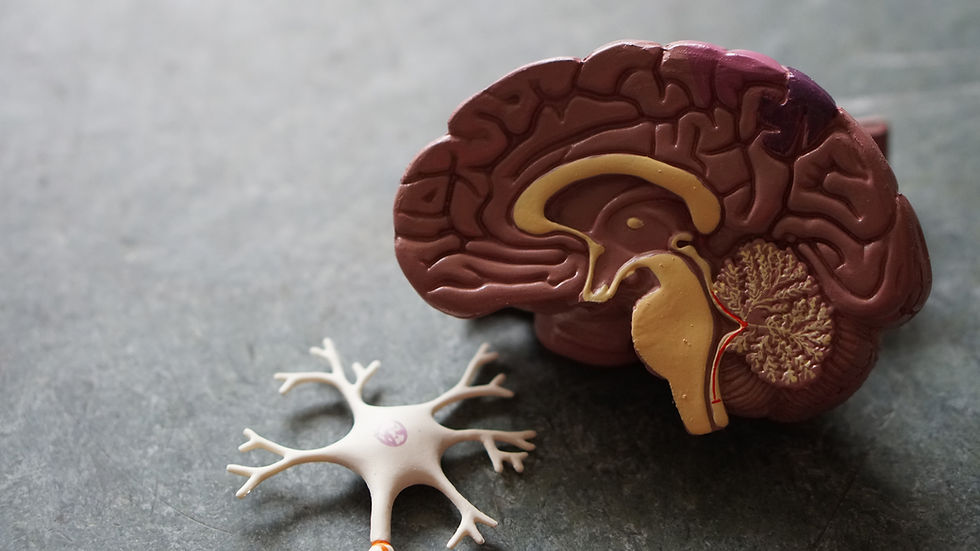
Cannabinoid receptors are present throughout the brain and nervous system. This has led researchers to investigate whether the endocannabinoid system may play a role in migraine and whether cannabinoids could influence migraine-related pain or other symptoms.
Because cannabinoid receptors are found throughout the brain and nervous system, researchers are studying how the endocannabinoid system may influence migraine-related pain, nausea and neurological sensitivity. This relationship helps explain why some patients experience relief from multiple migraine symptoms rather than head pain alone.
What Does the Research Say?
Research into cannabis and migraines is still developing, but existing findings are encouraging.
Observational studies and patient surveys have reported potential improvements in migraine frequency, severity and medication use among medical cannabis patients. Some patients have also reported relief from related symptoms such as nausea, sleep disruption and difficulty relaxing during an attack.
Researchers are continuing to investigate which cannabinoids, products and delivery methods are most helpful. Because migraines and cannabis responses vary considerably between individuals, there may not be one product or cannabinoid ratio that works best for every patient.
Current evidence supports medical marijuana as a promising symptom-management option for certain patients, particularly when conventional treatments have not provided sufficient relief.
THC vs. CBD for Migraines
THC and CBD affect the body differently.
THC
THC may help influence the perception of migraine pain while also supporting nausea relief, relaxation and sleep. These effects may be especially valuable during an attack when pain or sensory sensitivity makes it difficult to rest.
Because THC can be intoxicating, patients should use a measured amount and avoid driving or performing safety-sensitive activities while impaired.
CBD
CBD does not produce the same intoxicating effects as THC. Some patients choose CBD for daytime symptom support or to promote relaxation without pronounced impairment.
CBD may also be used alongside THC as part of a more balanced cannabinoid product. Patients taking prescription medications should discuss possible interactions during their evaluation.
THC and CBD Together
Products combining THC and CBD may provide broader support for pain, nausea and relaxation. Some patients find that CBD creates a more balanced experience when used with THC.
The most appropriate ratio depends on the patient’s symptoms, previous cannabis experience and sensitivity to THC.
Can Medical Marijuana Stop a Migraine After It Starts?
Medical marijuana may be used after migraine symptoms begin to help manage pain, nausea and sensory discomfort. The delivery method can influence how quickly relief begins and how long it lasts:
Inhaled cannabis generally offers the fastest onset and may be useful when symptoms develop suddenly.
Tinctures can provide relatively quick and measured effects.
Edibles and capsules take longer to begin working but may provide support over a longer period.
Topicals may help with localized neck or muscle tension, although they are less likely to address the full migraine experience.
Understanding onset time helps patients choose a method that matches their symptoms and avoid taking additional amounts before the first dose has taken effect.
The original version made inhaled products sound inherently undesirable. A short responsible-use explanation is enough.
Could Cannabis Help Reduce Migraine Frequency?
Some patients incorporate medical marijuana into their ongoing care in an effort to experience fewer or less severe migraine attacks. Observational research and patient reports suggest that this approach may benefit certain individuals, although results vary.
Keeping a migraine diary can help patients track:
How frequently migraines occur
Pain severity
Nausea and sensory symptoms
How long attacks last
Cannabis product and amount used
How quickly relief begins
Changes in sleep and daily functioning
This information can help the patient and physician determine whether medical cannabis is producing meaningful improvement.
Cannabis and Migraine Medications
Medical cannabis can be incorporated alongside many migraine treatments, but cannabinoids may increase drowsiness or dizziness when combined with certain medications.
Patients should provide their evaluating physician with a complete list of prescriptions, over-the-counter medications and supplements. Those interested in reducing an existing medication should consult the provider who prescribed it so any changes can be made appropriately.
Do not stop or alter a prescribed migraine medication without consulting the healthcare professional who prescribed it.
Which Delivery Method May Be Helpful for Migraines?
The appropriate delivery method often depends on how quickly symptoms develop and how long relief is needed.
Inhaled cannabis offers a rapid onset, which may be helpful when migraine pain or nausea begins suddenly. Tinctures provide another relatively fast and measurable option. Edibles and capsules take longer to work but may provide longer-lasting effects.
Patients who become particularly sensitive to smells during a migraine may prefer a low-odor method such as a tincture or capsule. The goal is to choose a regulated product and delivery method that fits the patient’s symptoms and preferences.
Could Migraines Qualify You for a Medical Marijuana Card?
Chronic migraines may support medical marijuana eligibility when they cause persistent or severe pain, nausea or other qualifying symptoms. Eligibility depends on state requirements and the evaluating physician’s determination.
The physician may consider the frequency and severity of attacks, treatments previously attempted and how migraines affect the patient’s work, sleep and everyday life.
The evaluating physician may ask about:
How long you have experienced migraines
How frequently attacks occur
Whether a healthcare professional has diagnosed you
Symptoms that accompany your migraines
How migraines affect work and daily activities
Treatments and medications you have tried
Available medical records
Other health conditions or medications
drkennabis provides online evaluations for patients in Michigan, Ohio and Oklahoma. Each state has different requirements, and approval is not guaranteed.
When Should You Seek Immediate Medical Care?
A severe headache is not always a migraine. Seek emergency medical care for a sudden or unusual headache, especially when it:
Begins abruptly and reaches maximum intensity quickly
Is described as the worst headache of your life
Occurs after a head injury
Is accompanied by weakness, numbness or paralysis
Causes difficulty speaking or understanding speech
Occurs with fainting, confusion or a seizure
Is accompanied by fever or a stiff neck
Produces new vision loss
Begins during pregnancy or shortly after delivery
Is significantly different from your usual migraines
Do not use cannabis to delay evaluation of a potentially serious neurological emergency.
Frequently Asked Questions
Can medical marijuana help relieve migraine symptoms?
Medical marijuana may help qualifying patients manage migraine pain, nausea, muscle tension, sleep disruption and difficulty relaxing during an attack.
Is THC or CBD better for migraines?
THC may provide more noticeable support for pain, nausea and sleep, while CBD offers a non-intoxicating option. Some patients prefer products that combine both cannabinoids for a more balanced range of effects.
Can edibles help with migraines?
Edibles may provide longer-lasting support for some patients. Because they take longer to begin working, they may be better suited to predictable or longer-lasting symptoms than migraines requiring rapid relief.
What form of cannabis works fastest during a migraine?
Inhaled cannabis generally has the fastest onset. Tinctures may also begin working relatively quickly, while edibles and capsules usually take longer.
Can I get a medical marijuana card for chronic migraines?
Possibly. Eligibility depends on state requirements, symptom severity, medical history and the physician’s evaluation. Chronic or severe migraine-related pain may support eligibility for qualifying patients.
The Bottom Line
Medical marijuana may provide meaningful support for qualifying patients living with chronic migraines. By influencing pain perception, nausea, relaxation and sleep, cannabis may make attacks less disruptive and easier to manage.
THC, CBD and combined products offer different potential benefits, while delivery methods vary in how quickly they begin working and how long their effects last. An individual medical evaluation can help determine whether cannabis may be appropriate based on the patient’s symptoms, medical history and treatment experience.
drkennabis provides convenient online medical marijuana evaluations for qualifying patients in Michigan, Ohio and Oklahoma. If migraines are affecting your comfort, sleep, work or daily life, schedule a telemedicine appointment to discuss your symptoms and eligibility.
This article is for general educational purposes and is not medical advice, diagnosis or treatment. Medical marijuana does not cure migraine, and individual results vary. Always consult a qualified healthcare provider before beginning cannabis or changing an existing migraine treatment.


Comments